
Introduction
In today's fast-moving and highly competitive business landscape, success depends on much more than offering exceptional products or services. While operational excellence, innovation, and financial performance remain essential, modern businesses are increasingly judged by their reputation, credibility, and industry presence. Customers seek trustworthy brands, investors favor companies with proven leadership, and talented professionals prefer organizations known for excellence.
As a result, industry recognition has become a strategic business asset rather than simply a symbol of achievement. Whether it comes through prestigious awards, executive profiles, media coverage, leadership rankings, professional certifications, or recognition from respected industry organizations, professional acknowledgment validates a company's expertise and reinforces its market position.
More importantly, industry recognition influences how stakeholders perceive a business. It demonstrates that an organization's success has been independently evaluated and appreciated, making it easier to build trust, strengthen relationships, and create new opportunities. In an era where perception often influences purchasing decisions as much as product quality, recognition has become a powerful catalyst for sustainable growth.
The Rising Importance of Industry Recognition
The digital economy has transformed how businesses establish credibility. Today, potential customers, investors, and business partners conduct extensive research before making decisions. They compare companies online, read reviews, analyze leadership profiles, and evaluate industry reputation.
Traditional advertising alone is no longer enough to convince stakeholders. People seek evidence that a business consistently delivers value and maintains high professional standards.
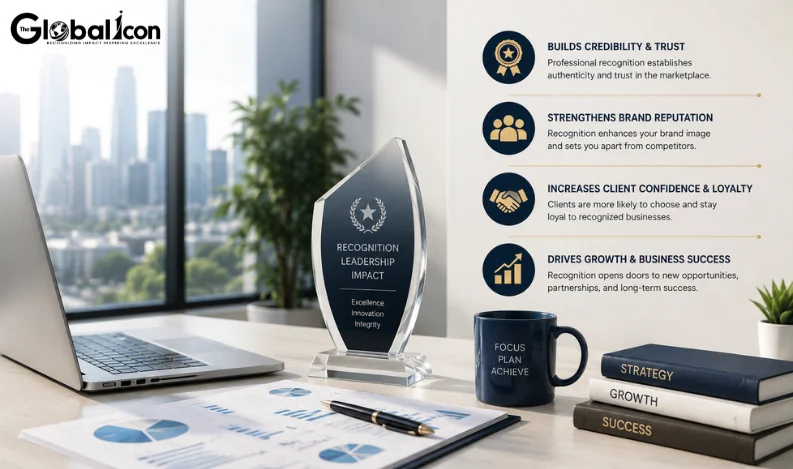
Industry recognition provides that validation. It acts as independent proof that a company has demonstrated excellence, innovation, or leadership within its field.
Recognition also helps businesses stand out in crowded markets. When multiple companies offer similar products or services, those with established credibility often gain a competitive advantage because stakeholders naturally gravitate toward organizations that have earned professional acknowledgment.
Building Trust Through Independent Validation
Trust is one of the most valuable assets any organization can develop. Customers are more likely to purchase from businesses they believe are reliable, investors prefer companies they perceive as stable, and strategic partners seek organizations with proven credibility.
Industry recognition strengthens trust because it comes from third-party sources rather than self-promotion.
When a company receives an industry award, earns a leadership ranking, or is featured by a respected publication, stakeholders often interpret that recognition as confirmation of quality and expertise.
Unlike marketing messages created by the company itself, external recognition carries greater authenticity because it reflects the opinions of independent evaluators.
Over time, repeated recognition helps businesses establish long-term credibility that extends beyond individual products or services.
This growing trust contributes to stronger customer relationships, improved brand loyalty, and greater organizational resilience.
Recognition Increases Brand Visibility
Even the most innovative businesses cannot grow if their target audience is unaware of their existence.
Professional recognition significantly expands market visibility by introducing organizations to new audiences. Industry awards, executive interviews, media features, and leadership rankings expose businesses to customers, investors, collaborators, and influencers who may never have encountered them otherwise.
Greater visibility creates more opportunities for meaningful business relationships.
Recognition often leads to:
- Increased customer inquiries
- Partnership opportunities
- Media interviews
- Conference speaking invitations
- Industry collaborations
- Networking opportunities
- Investor conversations
Each new opportunity increases exposure, creating a cycle where recognition generates visibility, and visibility creates further recognition.
Strengthening Brand Reputation
A company's reputation influences almost every aspect of business performance.
Consumers are more likely to trust respected brands, investors tend to favor organizations with strong reputations, and employees often choose employers known for excellence.
Industry recognition enhances brand reputation by associating businesses with achievement, professionalism, and leadership.
Rather than relying solely on advertising claims, recognized businesses possess independent evidence supporting their market position.
Recognition contributes to reputation by:
- Demonstrating professional excellence
- Reinforcing organizational credibility
- Highlighting industry expertise
- Creating positive public perception
- Strengthening competitive positioning
- Building long-term stakeholder confidence
A well-established reputation also provides resilience during difficult periods, as stakeholders are generally more willing to maintain confidence in organizations with a history of recognized success.
Supporting Business Development
Business development depends heavily on credibility.
Potential clients often evaluate whether a company has the experience, expertise, and reliability necessary to meet their needs.
Recognition reduces uncertainty by demonstrating that others have already validated the organization's capabilities.
This advantage is especially valuable in industries where trust directly influences purchasing decisions, including:
- Technology
- Financial services
- Healthcare
- Consulting
- Legal services
- Professional services
- Manufacturing
Companies with recognized expertise often find it easier to begin conversations, shorten sales cycles, and build stronger client relationships because credibility has already been established before the first meeting.
Elevating Leadership Influence
Behind every successful organization is effective leadership.
Industry recognition not only benefits businesses but also strengthens the reputation of the executives leading them.
Recognized leaders are frequently viewed as trusted experts within their industries. Their perspectives gain greater attention because professional recognition validates their experience and accomplishments.
This enhanced credibility creates opportunities such as:
- Industry speaking engagements
- Media interviews
- Guest articles
- Advisory board memberships
- Executive networking
- Thought leadership initiatives
- Strategic partnerships
As executive visibility increases, the company's reputation often grows alongside it, reinforcing overall brand authority.
Recognition and Investor Confidence
Investors carefully evaluate organizations before committing capital.
Although financial performance remains essential, investor decisions are also influenced by leadership quality, market credibility, innovation, and competitive positioning.
Industry recognition strengthens these factors by providing external validation of business success.
Recognition can signal:
- Strong leadership
- Sustainable growth
- Industry influence
- Market credibility
- Innovation
- Competitive advantage
While recognition cannot replace strong business fundamentals, it enhances investor confidence by supporting a positive overall impression of the organization.
Improving Talent Acquisition and Retention
Today's workforce is increasingly selective when choosing employers.
Professionals often research a company's culture, leadership, industry reputation, and long-term stability before accepting employment opportunities.
Recognized organizations naturally become more attractive because they are associated with excellence, innovation, and professional growth.
Industry recognition strengthens employer branding by helping businesses:
- Attract skilled professionals
- Improve employee engagement
- Increase workplace pride
- Enhance retention
- Strengthen organizational culture
- Encourage long-term loyalty
Employees are often more motivated when they work for organizations that receive public acknowledgment for their achievements.
Encouraging Continuous Improvement
Recognition should never be viewed as the final destination.
Instead, it should serve as motivation for continuous progress.
Organizations that receive professional recognition often strive to maintain the standards that earned them acknowledgment in the first place.
This commitment encourages ongoing investment in:
- Innovation
- Customer experience
- Employee development
- Operational excellence
- Leadership development
- Strategic growth
Recognition therefore supports a culture where improvement becomes an ongoing organizational priority rather than a one-time achievement.
Creating Sustainable Competitive Advantage
Many competitive advantages eventually disappear.
Competitors can introduce similar products, adopt new technologies, or replicate business strategies.
However, trust, credibility, and reputation are significantly more difficult to duplicate.
Industry recognition contributes to these long-term assets by helping businesses establish authority that competitors cannot easily imitate.
Recognized organizations often benefit from:
- Higher customer confidence
- Greater industry influence
- Stronger stakeholder relationships
- Enhanced market authority
- Increased customer loyalty
- Sustainable brand differentiation
These advantages continue generating value long after recognition has been received.
The Importance of Authentic Recognition
Not all recognition creates lasting value.
Modern stakeholders expect awards and professional acknowledgment to reflect genuine achievement rather than promotional activity.
Organizations that prioritize publicity without consistently delivering value may eventually lose credibility.
Authentic recognition should always be supported by:
- Strong leadership
- Excellent customer experiences
- Ethical business practices
- Innovation
- Measurable performance
- Meaningful industry contributions
Businesses that earn recognition through consistent excellence build stronger trust than those pursuing recognition solely for marketing purposes.
Authenticity remains the foundation that gives professional recognition its long-term value.
Conclusion
Industry recognition has become far more than a symbol of success—it has evolved into a strategic driver of business growth. In today's competitive marketplace, recognition strengthens credibility, enhances visibility, builds trust, and creates valuable opportunities that support long-term organizational success.
Recognized businesses are often better positioned to attract customers, investors, talented professionals, strategic partners, and media attention. Their reputation becomes a competitive advantage that reinforces market leadership and improves resilience during periods of change.
Perhaps most importantly, professional recognition transforms accomplishments into influence. It allows organizations to showcase their expertise through independent validation while strengthening relationships with stakeholders across every level of business.
As industries continue to evolve and trust becomes an increasingly valuable currency, businesses that consistently demonstrate excellence and earn authentic recognition will be best positioned to achieve sustainable growth, expand their influence, and lead their industries well into the future.