
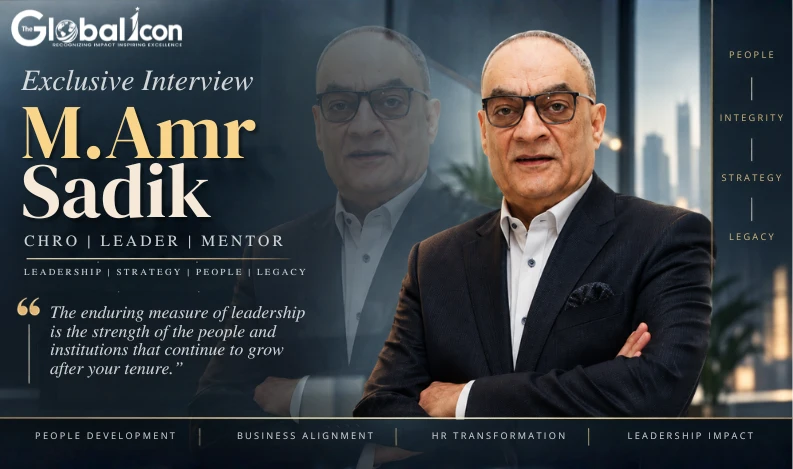
The true value of leadership is often revealed not in the systems a leader introduces, but in the people and institutions that become stronger because of them. Across more than four decades, M. Amr Sadik has built his professional journey around this understanding, connecting business priorities with people capability, organizational effectiveness, and meaningful development.
From his early experience in hospitality to leadership roles spanning telecommunications and industrial manufacturing, his career has taken him across industries, countries, and organizational cultures. Along the way, executive leadership, consulting, teaching, and writing have given him different perspectives on the same fundamental challenge: how organizations can translate strategy into sustainable results through people. His experience directing HR across several countries for a group employing 8,000 people further reflects the scale and complexity that have shaped his approach.
Yet his journey is not defined by scale alone. It is grounded in integrity, continuous learning, thoughtful questioning, and the belief that lasting change requires people to understand, trust, and take ownership of it. As artificial intelligence and changing workforce expectations reshape the future of HR, Sadik continues to emphasize the importance of balancing progress with sound judgment, ethical governance, and human dignity.
In this feature, TheGlobalIcon explores M. Amr Sadik’s professional journey, the principles behind his leadership, the transformation that represents a defining chapter of his career, the lessons he has gained across sectors and cultures, and his perspective on the future of human resources and the legacy leaders should strive to leave behind.
Across Industries and Cultures
M. Amr Sadik’s professional journey has been shaped by more than four decades of working across industries, countries, and organizational cultures. His early years in hospitality taught him that service excellence begins with how people are selected, developed, and treated. Moving into telecommunications and industrial manufacturing broadened his perspective on organizational transformation, commercial priorities, and leadership at scale, including directing HR across several countries for a group employing 8,000 people.
Alongside executive leadership, his work in consulting, teaching, and writing has continually challenged him to connect theory with practice. These experiences shaped his conviction that HR creates its greatest value when it translates business strategy into people capability and meaningful results.
Principles of Leadership
M. Amr Sadik’s approach rests on integrity, respect for people, strategic clarity, and accountability. He believes leaders must demonstrate the standards they expect from others and create an environment where people can speak openly, understand their contribution, and take ownership of results.
He combines a practical business perspective with a commitment to learning and evidence. Before introducing a policy, performance measure, or development initiative, he considers two important questions: What problem is being solved, and how will this improve organizational effectiveness?
Above all, he believes that developing people is a leadership responsibility. Effective leaders build the capabilities, confidence, and judgment that enable others to succeed.
Transforming HR with Impact
Throughout his career, M. Amr Sadik has achieved several significant milestones. However, one achievement that best represents his impact is the HR transformation he led at CDIC during his 2006–2008 tenure. The work brought together business alignment, performance management, talent development, and institutional capability.
He revamped the HR function and its policies, introduced management by objectives and a new performance management system, and established a training center alongside apprenticeship and scholarship programs. The work saved US$455,000 in external consulting fees, while the company received international recognition for its HR strategy and innovative practices.
For M. Amr Sadik, the significance of this achievement lies in combining measurable commercial value with systems that supported employee development and strengthened the organization’s ability to manage its own growth.
Leading Sustainable Change
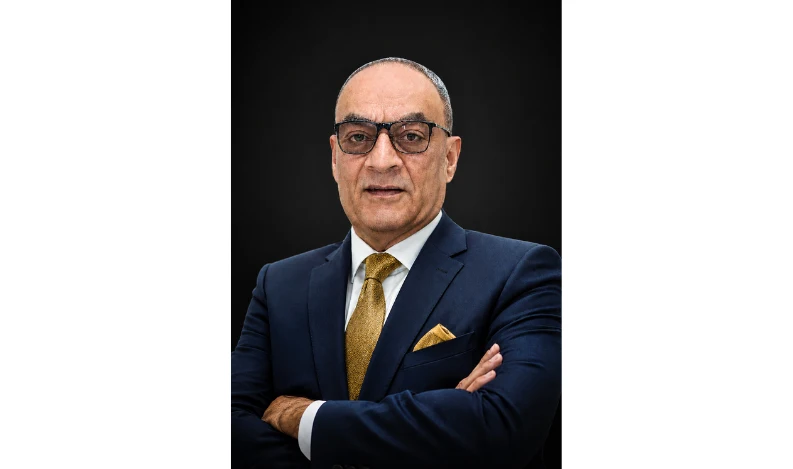
The most valuable lesson M. Amr Sadik’s journey has taught him is that sustainable change depends on people understanding, trusting, and owning it. A technically sound strategy can struggle when leadership behavior, organizational culture, and daily practices fail to support it.
Working across different sectors in different countries has also taught him to question assumptions. An approach that succeeds in one organization must be carefully adapted to another organization’s circumstances, capabilities, and maturity.
He has therefore learned to listen before diagnosing, understand before prescribing, and evaluate success through the improvement achieved. Experience provides perspective, but remaining curious and willing to reconsider one’s judgment is what keeps that experience useful.
The Future of HR
M. Amr Sadik believes the future of human resources will be shaped by artificial intelligence, changing skill requirements, and evolving expectations of the employment relationship. AI will require HR leaders to rethink work design and strengthen their judgment about how technology should support people and decisions.
Continuous learning, internal talent development, and succession planning will become increasingly central to organizational resilience. He also expects performance management to place greater emphasis on meaningful contribution, adaptability, and outcomes.
Across these developments, trust, ethical governance, and the responsible use of employee data will be essential. He sees an opportunity for HR to connect technological progress with stronger organizational capability and a more credible employee experience.
A Legacy That Endures
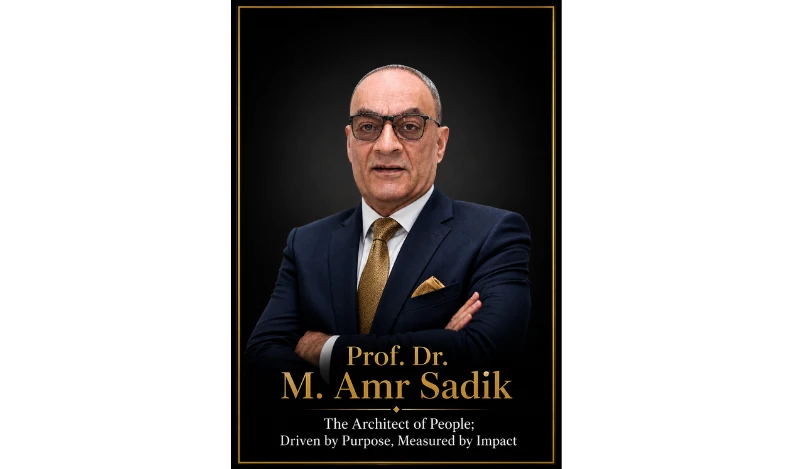
M. Amr Sadik hopes to leave a legacy of stronger institutions, more capable leaders, and an HR profession respected for its contribution to both business performance and human dignity. Through executive practice, teaching, mentoring, and writing, he wants to make knowledge practical and help others develop the confidence to question, improve, and lead.
His advice to future leaders is to understand the business deeply, remain close to people, and keep learning. He encourages them to protect their integrity, ask thoughtful questions, and measure the value their decisions create. He also emphasizes the importance of developing successors and sharing knowledge.
Ultimately, M. Amr Sadik believes the enduring measure of leadership is the strength of the people and institutions that continue to grow after a leader’s tenure.
Key Takeaways
- Translate strategy into people capability: HR creates its greatest value when business strategy is connected with people capability and meaningful organizational results.
- Lead with integrity and accountability: Leaders should demonstrate the standards they expect from others while creating an environment of openness, contribution, and ownership.
- Make people development a leadership responsibility: Strong leadership builds the capability, confidence, and judgment that enable others to succeed.
- Adapt approaches to organizational realities: What works in one organization may need to be adjusted to another organization’s circumstances, capabilities, and maturity.
- Build trust around change: Sustainable transformation depends on people understanding, trusting, and taking ownership of change.
- Balance technological progress with responsible leadership: AI will reshape HR, but trust, ethical governance, human judgment, and responsible employee data use will remain essential.
- Build a legacy that continues beyond tenure: The enduring measure of leadership lies in the strength of the people and institutions that continue to grow afterward.
Conclusion
For M. Amr Sadik, a meaningful professional journey is not measured only by positions held, transformations led, or results achieved. Its deeper value lies in what remains afterward: stronger institutions, more capable people, better judgment, and knowledge that continues to create value beyond an individual leader’s tenure.
More than four decades across industries, countries, and organizational cultures have reinforced his belief that effective leadership requires both business understanding and a genuine commitment to people. Whether through executive practice, consulting, teaching, mentoring, or writing, his approach continues to bring these two dimensions together, ensuring that organizational progress and human development are not treated as separate priorities.
As technology reshapes work and expectations of HR continue to evolve, the principles at the heart of his journey remain relevant: stay curious, protect integrity, understand before prescribing, develop others, and measure leadership by the value it creates. For future leaders, his perspective serves as a reminder that experience becomes most valuable when it is continually questioned, shared, and used to strengthen others.
Ultimately, the legacy M. Amr Sadik seeks to build extends beyond his own career. It is reflected in leaders equipped to make thoughtful decisions, institutions capable of sustaining their growth, and an HR profession that contributes meaningfully to both business performance and human dignity. In that sense, leadership does not end when a tenure does. Its influence continues through the people and institutions prepared to move forward.
Organizations are built to serve the people by the people. So, to achieve the former, you must first take care of the latter
More Cover Stories:-