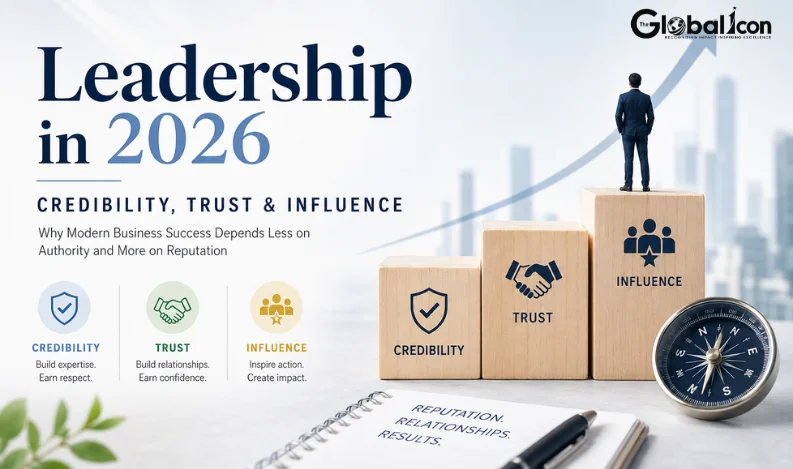


Why Business Leaders Can No Longer Afford to Remain Behind the Scenes
The role of business leadership is undergoing a profound transformation. For decades, many executives focused primarily on internal operations, strategic planning, financial performance, and organizational growth while maintaining a relatively low public profile. Today, however, the expectations placed on business leaders have changed dramatically. In 2026, executive visibility is no longer a secondary consideration or a personal branding exercise—it has become a strategic business necessity.
Customers, investors, employees, media organizations, industry stakeholders, and even regulators increasingly want to know who is leading a company, what values guide its decisions, and how its leadership team responds to challenges and opportunities. In a world characterized by digital connectivity, instant communication, and heightened transparency, executives are expected to be visible, accessible, and actively engaged in conversations that shape their industries.
This shift reflects broader changes in how trust is built and maintained. Modern audiences are more likely to trust people than corporate messaging alone. They want to hear directly from leaders, understand their perspectives, and evaluate the expertise behind organizational decisions. As a result, executive visibility has emerged as a powerful driver of credibility, influence, stakeholder confidence, and business growth.
Organizations whose leaders maintain a strong public presence often enjoy significant advantages. They are better positioned to build trust, attract talent, strengthen brand reputation, secure partnerships, and influence industry discussions. In many cases, the visibility of an executive directly contributes to the visibility and success of the business itself.
As we move further into 2026, executive visibility is becoming one of the defining characteristics of modern leadership.
The Evolution of Leadership in a Digital World
The rise of digital communication has fundamentally changed how business leaders interact with the world around them. Twenty years ago, leadership visibility was largely limited to major corporate announcements, annual reports, and occasional media appearances. Today, executives have access to numerous channels through which they can communicate directly with audiences.
Professional networking platforms, industry publications, podcasts, webinars, virtual events, and social media have created opportunities for leaders to share insights, discuss trends, and engage with stakeholders in real time. These platforms have also increased expectations around transparency and accessibility.
Modern leadership is no longer defined solely by internal decision-making. It is increasingly measured by a leader's ability to communicate effectively, build relationships, and contribute meaningfully to industry conversations.
This evolution has created a new leadership reality: visibility is no longer optional. Executives who remain entirely behind the scenes risk becoming disconnected from the audiences that influence their organizations' success.
In contrast, leaders who embrace visibility often establish stronger relationships and create greater trust among stakeholders.
Trust Has Become a Strategic Business Asset
Trust is one of the most valuable resources an organization can possess. It influences customer loyalty, employee engagement, investor confidence, and partnership opportunities. Yet trust is becoming increasingly difficult to earn in an environment where audiences are exposed to constant information and competing messages.
Executive visibility helps bridge this trust gap by providing a human face behind the organization. Stakeholders gain insight into the individuals making decisions, shaping strategy, and guiding company culture.
When leaders communicate consistently and authentically, they create familiarity. Familiarity often leads to confidence, and confidence strengthens trust.
This process is particularly important during periods of uncertainty. Whether facing economic challenges, market disruptions, or organizational change, stakeholders frequently look to leadership for guidance and reassurance.
Visible executives are often better positioned to provide that reassurance because they have already established communication channels and relationships with their audiences.
In many industries, trust built through executive visibility has become a significant competitive advantage.
Executive Visibility Strengthens Corporate Credibility
Corporate credibility is increasingly influenced by leadership credibility. Customers, investors, and business partners often evaluate organizations based not only on their products and services but also on the expertise and reputation of the people leading them.
A visible executive demonstrates confidence, accountability, and industry knowledge. Through interviews, articles, speaking engagements, and public discussions, leaders can showcase their understanding of market trends, business challenges, and emerging opportunities.
This visibility helps establish authority within the industry and reinforces the perception that the organization is guided by capable leadership.
When executives actively contribute to professional conversations, they often elevate the reputation of the entire company. Their expertise becomes associated with the brand, strengthening stakeholder confidence and improving market positioning.
Ways Executive Visibility Enhances Credibility
- Demonstrates industry expertise
- Reinforces leadership authority
- Builds stakeholder confidence
- Strengthens brand reputation
- Supports trust and transparency
- Differentiates the organization from competitors
These benefits contribute directly to long-term business growth and influence.
Customers Want to Know the People Behind the Brand
Consumer expectations have evolved significantly. Modern customers are increasingly interested in the values, mission, and leadership behind the organizations they support.
This trend is particularly evident in industries where trust and expertise play important roles in purchasing decisions. Customers want confidence that the companies they engage with are led by knowledgeable and responsible individuals.
Executive visibility helps satisfy this expectation by making leadership more accessible and relatable. When leaders share their perspectives, experiences, and vision, they create stronger connections with audiences.
These connections often extend beyond individual transactions. Customers who feel aligned with a leader's values and vision may develop deeper loyalty to the brand itself.
In an increasingly competitive marketplace, these relationships can become powerful differentiators.
Thought Leadership Is Driving Executive Influence
One of the most significant drivers of executive visibility in 2026 is thought leadership. Business leaders are increasingly expected to contribute insights that help shape industry discussions and address important challenges.
Thought leadership allows executives to demonstrate expertise while providing value to their audiences. Rather than focusing solely on company promotion, thought leaders share knowledge, discuss trends, and offer perspectives that help others understand evolving market dynamics.
Executives who consistently engage in thought leadership often become recognized voices within their industries. This recognition strengthens influence and creates opportunities for broader engagement.
Common Thought Leadership Activities
- Publishing articles and opinion pieces
- Speaking at industry conferences
- Participating in webinars and podcasts
- Contributing to professional publications
- Sharing insights on business platforms
- Joining panel discussions and forums
These activities help transform visibility into influence while strengthening professional credibility.
Executive Visibility Attracts Business Opportunities
Visibility often creates opportunities that would not emerge through traditional business development efforts alone. A recognized and respected executive is more likely to attract attention from potential clients, investors, partners, media organizations, and industry groups.
Many strategic opportunities begin with awareness. Before stakeholders can engage with a company, they must first become aware of its leadership and capabilities.
Executive visibility accelerates this process by increasing exposure and credibility simultaneously.
Leaders with strong public profiles are frequently invited to participate in:
- Industry conferences
- Advisory boards
- Strategic partnerships
- Media interviews
- Research initiatives
- Educational programs
These opportunities can generate significant value by expanding professional networks and increasing organizational visibility.
Investor Confidence Begins with Leadership Confidence
Investors often view leadership quality as one of the most important indicators of business potential. Financial performance and market opportunity are important, but confidence in leadership frequently influences investment decisions.
Visible executives provide investors with greater insight into strategic thinking, industry expertise, and organizational direction. Through public communication, leaders can demonstrate their understanding of market trends, business risks, and growth opportunities.
This transparency often strengthens investor confidence because it reduces uncertainty and builds trust.
Organizations led by respected and visible executives may find it easier to attract investment and establish credibility within financial communities.
Qualities Investors Often Associate with Visible Leaders
- Strategic vision
- Industry expertise
- Strong communication skills
- Market awareness
- Leadership credibility
- Long-term growth orientation
Executive visibility helps showcase these qualities in a highly visible manner.
Talent Acquisition Has Become a Visibility Challenge
The competition for skilled professionals continues to intensify across industries. Talented individuals increasingly evaluate leadership quality when considering career opportunities.
Visible executives help organizations stand out by demonstrating purpose, expertise, and organizational culture. Prospective employees often research leadership teams before accepting positions, seeking reassurance that they will be working under capable and inspiring leadership.
Executive visibility contributes to employer branding by showcasing leadership values and organizational direction.
Current employees also benefit from visible leadership. When executives are actively engaged and recognized within their industries, employees often feel a stronger sense of pride and confidence in their organization.
This influence can support recruitment, retention, engagement, and culture-building efforts.
Visibility Supports Reputation Management
Reputation management has become increasingly important as information spreads rapidly through digital channels. Businesses must be prepared to respond quickly and effectively to both opportunities and challenges.
Visible executives often have an advantage because they have already established trust and communication channels with key audiences. During periods of uncertainty, they can communicate directly with stakeholders, provide context, and reinforce confidence.
Proactive visibility creates a foundation of credibility that becomes especially valuable during difficult circumstances.
Rather than reacting only when issues arise, organizations benefit when leaders consistently engage with audiences and build trust over time.
Authenticity Matters More Than Ever
While visibility is important, authenticity remains essential. Audiences are increasingly skeptical of overly polished messaging and promotional communication.
The most effective executives communicate honestly, share meaningful insights, and engage with audiences in genuine ways. They focus on providing value rather than seeking attention.
Authenticity strengthens visibility because it creates trust. Stakeholders are more likely to engage with leaders who demonstrate transparency, integrity, and consistency.
Executive visibility should therefore be viewed as an opportunity to build relationships and contribute meaningfully to industry conversations rather than simply increasing exposure.
Conclusion
The growing importance of executive visibility in 2026 reflects a broader transformation in how leadership is perceived and evaluated. Business leaders are no longer judged solely by financial results or operational performance. They are increasingly expected to communicate openly, contribute expertise, and engage with stakeholders in meaningful ways.
Executive visibility has become a strategic asset that supports trust, credibility, thought leadership, talent attraction, investor confidence, and business growth. Organizations whose leaders embrace visibility are often better positioned to build relationships, strengthen reputation, and influence industry conversations.
Most importantly, visibility helps humanize organizations in a world where people increasingly want to connect with the individuals behind the brands they support.
As competition intensifies and stakeholder expectations continue to evolve, executive visibility will remain a defining characteristic of successful leadership. The leaders who combine expertise, authenticity, and engagement will be best positioned to create lasting influence and drive sustainable growth in the years ahead.