

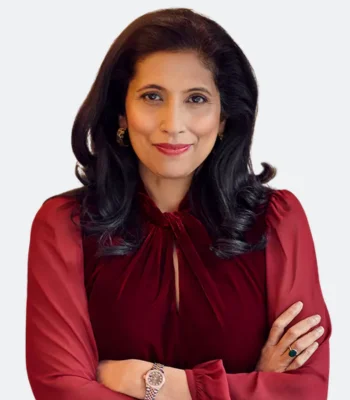
About
Leadership is often associated with bold decisions, ambitious strategies, and financial milestones. Yet some of the world's most influential leaders leave their greatest mark not by speaking the loudest, but by creating cultures where people feel inspired to do their best work. In an era where organizations are increasingly judged not only by what they produce but also by how they treat people, Leena Nair has emerged as one of the defining voices of modern leadership.
As the Global Chief Executive Officer of Chanel, one of the world's most iconic luxury fashion houses, Nair leads a brand built on heritage, craftsmanship, and timeless elegance. Her appointment attracted global attention, not only because she became one of the few women to lead a luxury powerhouse of this scale, but also because her professional journey broke many traditional leadership conventions. Unlike many executives in the luxury industry, she did not spend decades building her career in fashion. Instead, she brought with her more than thirty years of global leadership experience from consumer goods, human resources, organizational transformation, and talent development, proving that exceptional leadership is transferable across industries.
Born and raised in Kolhapur, India, Leena Nair grew up believing that education, curiosity, and perseverance could create opportunities beyond geographical boundaries. After graduating in engineering, she began her professional journey with Hindustan Unilever, where she entered through the company's highly competitive management trainee program. What followed was a remarkable career built not on shortcuts but on consistent performance, adaptability, and a willingness to embrace challenges across multiple business functions and international markets.
During her three decades with Unilever, Nair held numerous leadership roles across manufacturing, sales, human resources, and global business operations. These diverse experiences gave her a comprehensive understanding of how successful organizations function, from factory floors and supply chains to executive boardrooms. More importantly, they shaped her belief that long-term business success is driven not only by products and processes but by the people who bring those ideas to life every day.
Her appointment as Unilever's Chief Human Resources Officer marked another significant milestone. At a time when conversations around workplace culture, diversity, wellbeing, and leadership were becoming increasingly important, Nair helped champion initiatives that focused on employee development, inclusion, and purpose-driven organizational culture. She consistently advocated for creating workplaces where people could thrive professionally while remaining true to themselves personally. That people-first philosophy earned her international recognition and positioned her as one of the most respected leadership voices in global business.
When Chanel announced Leena Nair as its Global CEO, many industry observers viewed the decision as both bold and forward-looking. Chanel was not simply appointing another executive, it was selecting a leader known for transforming organizations through culture, collaboration, and human potential. While the luxury industry has traditionally emphasized product excellence and brand prestige, Nair brought an equally important perspective: sustainable success depends on investing in people as much as products.
Under her leadership, Chanel has continued strengthening its commitment to craftsmanship, creativity, sustainability, and responsible growth while preserving the timeless values that have defined the brand for generations. Rather than pursuing rapid expansion at the expense of exclusivity, she has focused on ensuring that innovation complements heritage, allowing Chanel to evolve while remaining true to its identity.
"Leadership is not about having all the answers. It is about creating an environment where people can do their very best work." -- Leena Nair
This philosophy reflects the essence of Nair's leadership journey. Throughout her career, she has consistently demonstrated that empathy is not a weakness but a strategic advantage. By listening carefully, encouraging collaboration, and empowering diverse teams, she has shown that organizations become stronger when people feel valued, respected, and inspired to contribute their unique perspectives.
Beyond corporate leadership, Nair has become an influential advocate for diversity, inclusion, women's leadership, and responsible business practices. She frequently speaks about the importance of lifelong learning, adaptability, and creating opportunities for future generations of leaders. Her own journey, from a young engineer in India to the CEO of one of the world's most admired luxury brands, serves as a powerful example that leadership is shaped by character, resilience, and continuous growth rather than traditional career paths alone.
What makes Leena Nair particularly influential is her ability to combine commercial excellence with genuine human connection. In today's rapidly changing business environment, organizations face growing expectations to balance profitability with purpose, innovation with responsibility, and global expansion with cultural sensitivity. Nair's leadership demonstrates that these goals are not mutually exclusive. Instead, they reinforce one another when guided by authenticity and long-term vision.
Her story also reflects a broader evolution in executive leadership. Modern CEOs are no longer expected to focus solely on financial performance; they are increasingly called upon to build inclusive cultures, inspire innovation, support sustainability, and create meaningful value for employees, customers, and society. Leena Nair has embraced that responsibility with remarkable clarity, earning respect across industries for her thoughtful, people-centered approach.
As the global luxury market continues to evolve alongside changing consumer expectations, Leena Nair stands among the leaders redefining what successful leadership looks like in the twenty-first century. Through her unwavering commitment to excellence, empathy, and purposeful growth, she has demonstrated that the strongest organizations are built not only on iconic brands but also on empowered people. Her journey reminds aspiring leaders everywhere that true influence begins with understanding that every business success story is ultimately a human story.
From This Edition
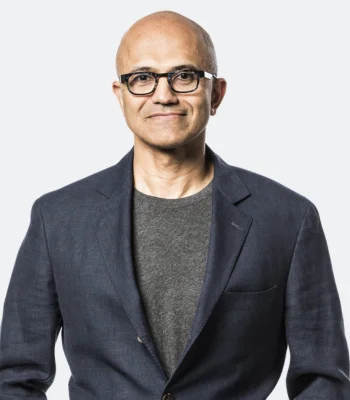
Satya Nadella
Chairman & CEO
Microsoft
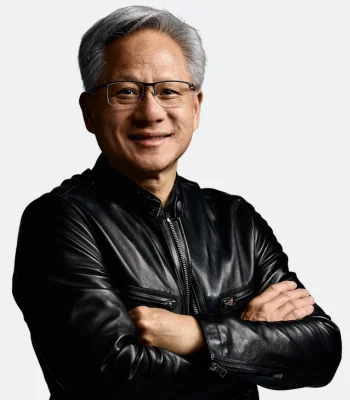
Jensen Huang
Founder & CEO
NVIDIA
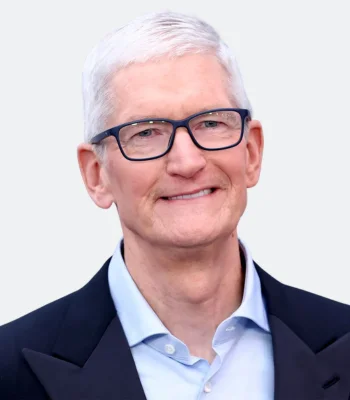
Tim Cook
CEO
Apple

Sundar Pichai
CEO
Alphabet & Google
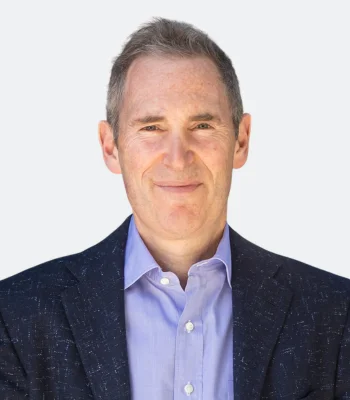
Andy Jassy
President & CEO
Amazon
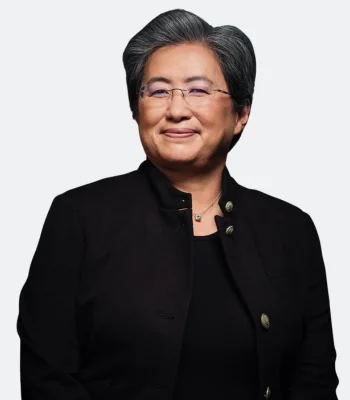
Lisa Su
Chair & CEO
AMD

Mary Barra
Chair & CEO
General Motors

Marc Benioff
CEO & Co-Founder
Salesforce
Other Top Lists
More curated leader rankings and spotlights
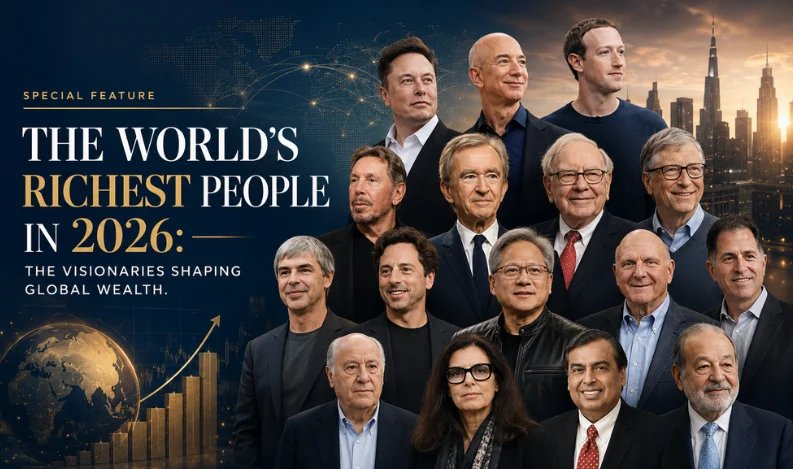
The World's Richest People in 2026: The Visionaries Shaping Global Wealth
Meet the world's richest people and the vision behind their extraordinary success.. Money may measure wealth, but behind every extraordinary fortune lies a story of vision, persistence, calculated risks, and the ability to identify opportunities long before the rest of …