

About
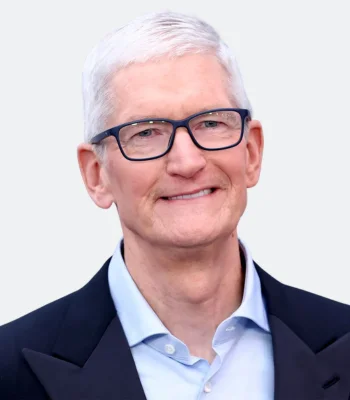
The greatest leaders are not always remembered for founding legendary companies. Sometimes, they are remembered for having the courage to carry an extraordinary legacy forward while creating one of their own. Taking over the leadership of an iconic organization is often considered more challenging than building one from scratch. Expectations are immense, comparisons are inevitable, and every decision is scrutinized through the lens of the past. Few executives have faced that challenge with greater composure than Tim Cook.
When Cook succeeded Steve Jobs as Apple's Chief Executive Officer in 2011, many questioned whether anyone could preserve the company's culture of innovation while maintaining the momentum that had made Apple one of the world's most admired brands. More than a decade later, those doubts have largely been replaced by recognition of Cook's own leadership philosophy. Rather than attempting to imitate his predecessor, he strengthened Apple's operational excellence, expanded its global ecosystem, and transformed the company into one of the most valuable businesses in history.
Born in Mobile, Alabama, and raised in the small town of Robertsdale, Cook's journey to the top of the technology industry was built on discipline, analytical thinking, and a deep appreciation for efficiency. He earned a degree in Industrial Engineering from Auburn University before completing his MBA at Duke University's Fuqua School of Business. Early roles at IBM and Compaq gave him valuable experience in manufacturing, supply chain management, and operations, skills that would later become instrumental in reshaping Apple's global business.
Cook joined Apple in 1998 at a time when the company was still rebuilding its position in the technology market. While Apple's product innovation often attracted headlines, Cook quietly transformed the company's operational backbone. He streamlined manufacturing, optimized inventory management, strengthened relationships with suppliers, and built one of the world's most sophisticated global supply chains. These improvements allowed Apple to scale its products efficiently while maintaining the quality standards customers had come to expect.
When he became CEO, Cook inherited not only one of the world's most recognizable brands but also the responsibility of guiding it through a rapidly changing technology landscape. Smartphones had become central to everyday life, digital services were gaining momentum, and consumer expectations continued to evolve. Rather than relying solely on blockbuster product launches, Cook broadened Apple's long-term strategy by investing heavily in services, wearables, privacy, health technologies, and sustainability.
Under his leadership, Apple expanded far beyond hardware. Services such as Apple Music, Apple TV+, Apple Pay, iCloud, and the App Store became increasingly important pillars of the company's ecosystem. At the same time, products like Apple Watch and AirPods created entirely new categories that strengthened customer loyalty while demonstrating Apple's ability to innovate beyond the iPhone.
One of Cook's defining qualities has been his commitment to long-term value creation rather than short-term excitement. He has consistently emphasized privacy as a fundamental human right, positioning Apple as a leader in responsible technology at a time when data security and digital trust have become critical global concerns. His focus on environmental responsibility has also accelerated Apple's sustainability initiatives, including ambitious commitments to carbon neutrality across its products, operations, and supply chain.
"The sidelines are not where you want to live your life. The world needs you in the arena."
— Tim Cook
This philosophy reflects Cook's own career. Although naturally reserved and measured in his public appearances, he has repeatedly demonstrated the willingness to make bold strategic decisions when he believes they will strengthen Apple's future. His leadership during periods of global uncertainty, including supply chain disruptions, geopolitical challenges, and rapidly shifting consumer expectations, has highlighted the importance of resilience, preparation, and disciplined execution.
Beyond Apple's financial success, Cook has become an influential voice on issues such as accessibility, education, environmental responsibility, and inclusion. He has consistently argued that technology should enrich people's lives while remaining grounded in ethical principles. This broader perspective has shaped Apple's identity as a company that seeks to combine innovation with social responsibility.
In recent years, Apple has continued exploring new frontiers in artificial intelligence, custom silicon, spatial computing, and digital health, reinforcing its position as one of the world's most influential technology companies. Rather than chasing every industry trend, Cook has maintained Apple's philosophy of introducing products and services only when they meet the company's standards for quality, integration, and user experience. That disciplined approach has helped Apple sustain remarkable customer loyalty while continuing to influence global technology markets.
Tim Cook's leadership demonstrates that lasting influence is not always defined by dramatic reinvention. Sometimes, it is achieved through consistent excellence, thoughtful decision-making, and an unwavering commitment to improving every part of an organization year after year. His ability to combine operational precision with strategic vision has enabled Apple to thrive in an increasingly competitive environment while preserving the values that have long distinguished the company.
As the technology industry continues to evolve through artificial intelligence, advanced computing, and connected digital ecosystems, Tim Cook remains one of the defining business leaders of his generation. His journey illustrates that exceptional leadership is not about standing in someone else's shadow, it is about earning the confidence to lead with authenticity, adapting to change without losing sight of purpose, and guiding one of the world's most admired companies toward a future that continues to inspire innovation across industries.
From This Edition
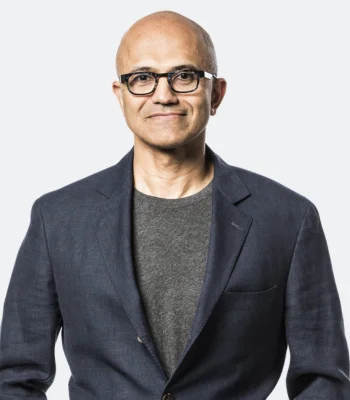
Satya Nadella
Chairman & CEO
Microsoft
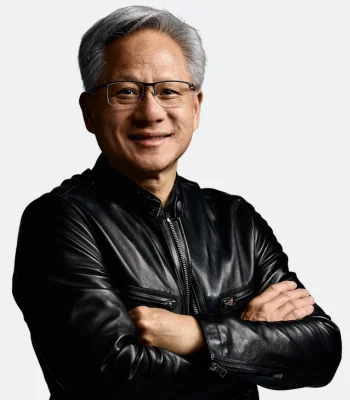
Jensen Huang
Founder & CEO
NVIDIA
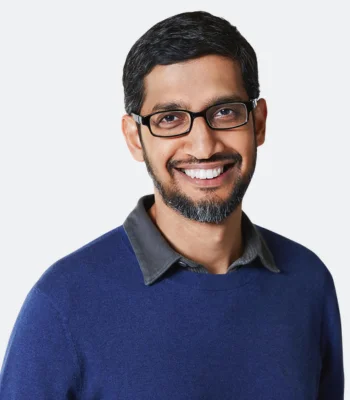
Sundar Pichai
CEO
Alphabet & Google
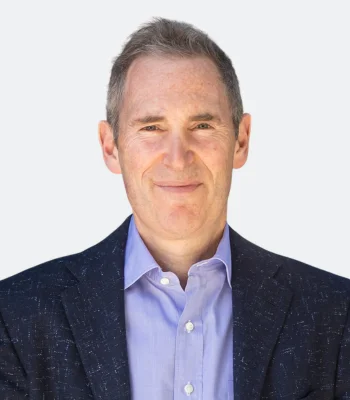
Andy Jassy
President & CEO
Amazon
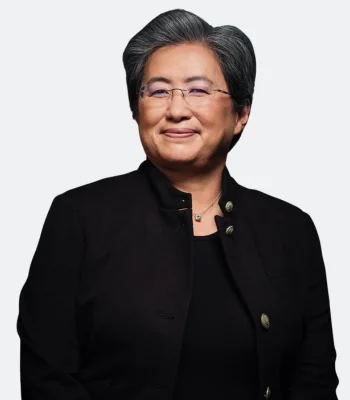
Lisa Su
Chair & CEO
AMD
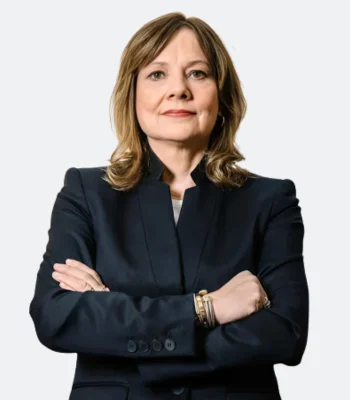
Mary Barra
Chair & CEO
General Motors
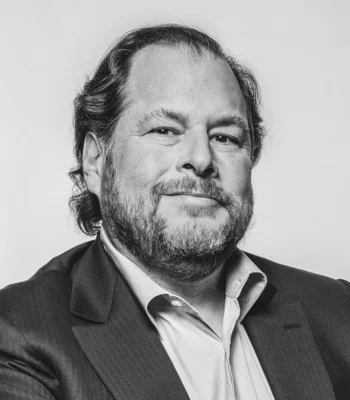
Marc Benioff
CEO & Co-Founder
Salesforce
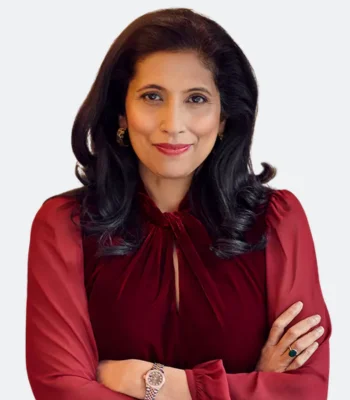
Leena Nair
Global CEO
Chanel
Other Top Lists
More curated leader rankings and spotlights
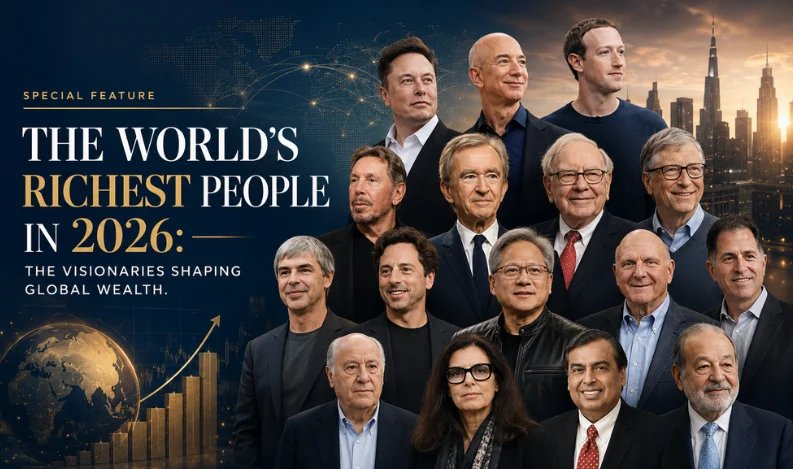
The World's Richest People in 2026: The Visionaries Shaping Global Wealth
Meet the world's richest people and the vision behind their extraordinary success.. Money may measure wealth, but behind every extraordinary fortune lies a story of vision, persistence, calculated risks, and the ability to identify opportunities long before the rest of …