

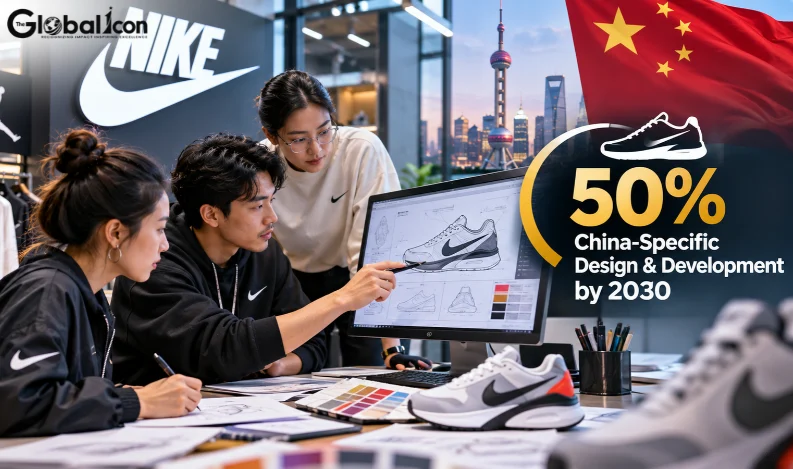
Nike plans to design and develop 50% of the sportswear products it sells in China within the country by fiscal 2030, as the company works to reverse declining sales in one of its most important markets. The strategy is intended to make products more relevant to Chinese consumers and strengthen Nike's position against growing domestic competitors.
Cathy Sparks, Nike's Greater China general manager, shared the target with Reuters on November 17, 2026. The plan covers Nike Sportswear and Jordan products and forms part of the company's wider effort to give regional teams greater authority over product development.
Local Design to Strengthen Market Position
Nike has faced increasing pressure in China, where sales have declined for nine consecutive quarters. Local brands such as Anta and Li Ning have gained market share by responding more closely to consumer preferences.
Nike is therefore shifting more product decisions to its China-based teams. Employees will work alongside global designers to develop products that reflect local styling preferences while maintaining the company's quality and brand standards.
The company appointed its first Greater China vice president of local product creation this year, giving the region greater autonomy over product styling and development.
Changes to Distribution Strategy
Alongside local product development, Nike is also changing how it manages sales and distribution in China. Starting in January 2027, the company plans to withdraw online sales rights from some major retail partners.
The move is intended to give Nike greater control over pricing, distribution and its customer experience as it attempts to improve business performance.
Competitive Pressure and Growth Challenges
Nike's strategy comes as rivals strengthen their position in the Chinese sportswear market. Adidas, for example, said locally designed products account for approximately 60% of its China range and has returned to growth in the market over the past two years.
Nike expects its China revenue to remain broadly flat between fiscal 2027 and 2031, highlighting the scale of the recovery challenge. Its local-design target is part of a broader effort to rebuild consumer demand and return the business to sustainable growth.
News Highlights:-