

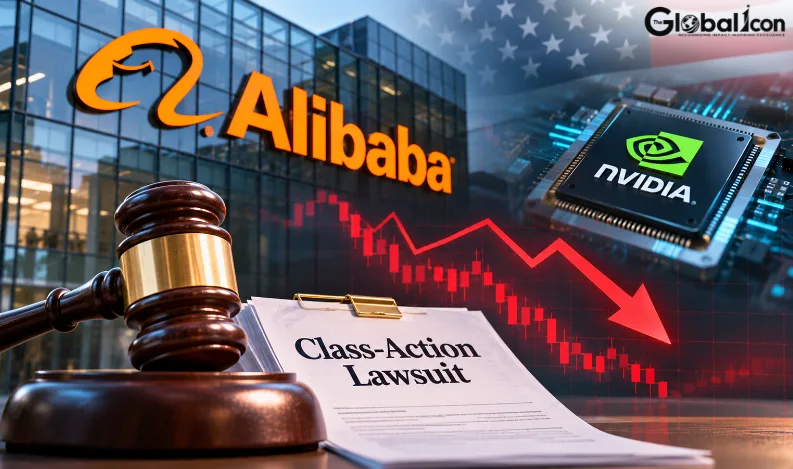
Chinese technology giant Alibaba is facing a proposed shareholder class-action lawsuit alleging that it concealed business connections to Singapore-based company Megaspeed and understated the potential risks of US export-control restrictions.
The lawsuit was filed on November 19, 2026, in Manhattan federal court by shareholder Withida Bihan. It names Alibaba and Chief Executive Officer Eddie Wu as defendants, accusing them of misleading investors in the company's 2024, 2025 and 2026 annual reports about risks that could affect its business and financial performance.
The allegations have not been proven in court.
Megaspeed Connection Raises National Security Concerns
The complaint focuses on Alibaba's relationship with Megaspeed, a Singapore-based company suspected of helping China obtain access to advanced Nvidia artificial intelligence chips.
Megaspeed executive Alice Huang has also been linked to former Nvidia CEO Jensen Huang through a reported personal relationship. The two individuals are not related.
According to the lawsuit, Alibaba had become Megaspeed's dominant customer but failed to adequately disclose the potential business and regulatory risks associated with the relationship.
Alibaba Shares Fall 14% Following Reports
Shareholders claim Alibaba's stock price was artificially inflated because investors were not fully informed about the company's exposure to possible export-control violations.
The lawsuit states that Alibaba shares declined approximately 14% over four trading days following media reports about its connections to Megaspeed and Alice Huang.
Investors are seeking unspecified damages for holders of Alibaba's American depositary shares who purchased securities between May 23, 2024, and November 11, 2026.
US Restrictions Add Pressure to Alibaba's AI Business
The controversy comes as Washington considers tighter restrictions on Chinese companies accessing advanced AI processors through overseas data centres.
Alibaba CEO Eddie Wu said the company remained on track to achieve $100 billion in external cloud revenue and a 20% EBITDA margin by 2030, despite potential restrictions affecting its computing capacity.
Alibaba had not immediately responded to requests for comment on the latest lawsuit.
The case adds to growing legal and regulatory scrutiny surrounding the Nvidia controversy, with investors increasingly concerned about corporate disclosures, export controls and national security risks in the global AI industry.
News Highlights:-