

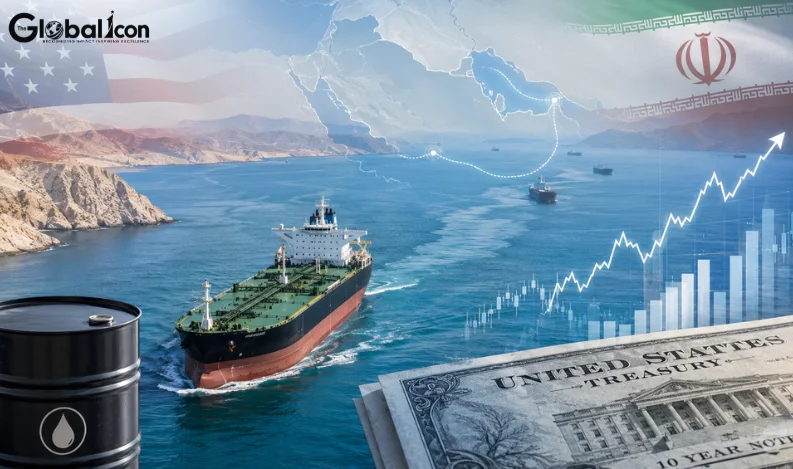
Oil prices and US Treasury yields moved higher as escalating compensation demands between the United States and Iran reduced expectations of an imminent agreement over the Strait of Hormuz.
The diplomatic standoff intensified after US President Donald Trump called for Iran to compensate Americans and others he says were harmed by Tehran-linked actions. Iran, meanwhile, has tied progress on reopening the vital shipping route to its own demands for compensation and changes to US sanctions and restrictions.
The increasingly difficult negotiations pushed Brent crude close to $90 per barrel, reflecting concerns that prolonged disruption around Hormuz could continue restricting global energy supplies.
Bond markets also reacted to renewed inflation concerns. The benchmark 10-year US Treasury yield moved above 4.7%, while the 30-year yield approached 5.3%, as investors considered the possibility that elevated energy costs could keep inflationary pressure stronger for longer.
Market attention is now turning to US inflation data and its potential impact on the Federal Reserve's September policy decision. Expectations for the next interest-rate move have become increasingly uncertain as higher oil prices complicate the inflation outlook.
The Strait of Hormuz remains central to the dispute. Washington has asserted strong military control over the strategic waterway, while uncertainty surrounding shipping access continues to influence energy markets and investor sentiment.
News Highlights:-